Jávea La Corona Villa
Why Villas in Jávea's La Corona Rarely Come to Market
A villa in Jávea's La Corona with panoramic sea views. Why properties here rarely list, what the location looks like daily, and who it's for.
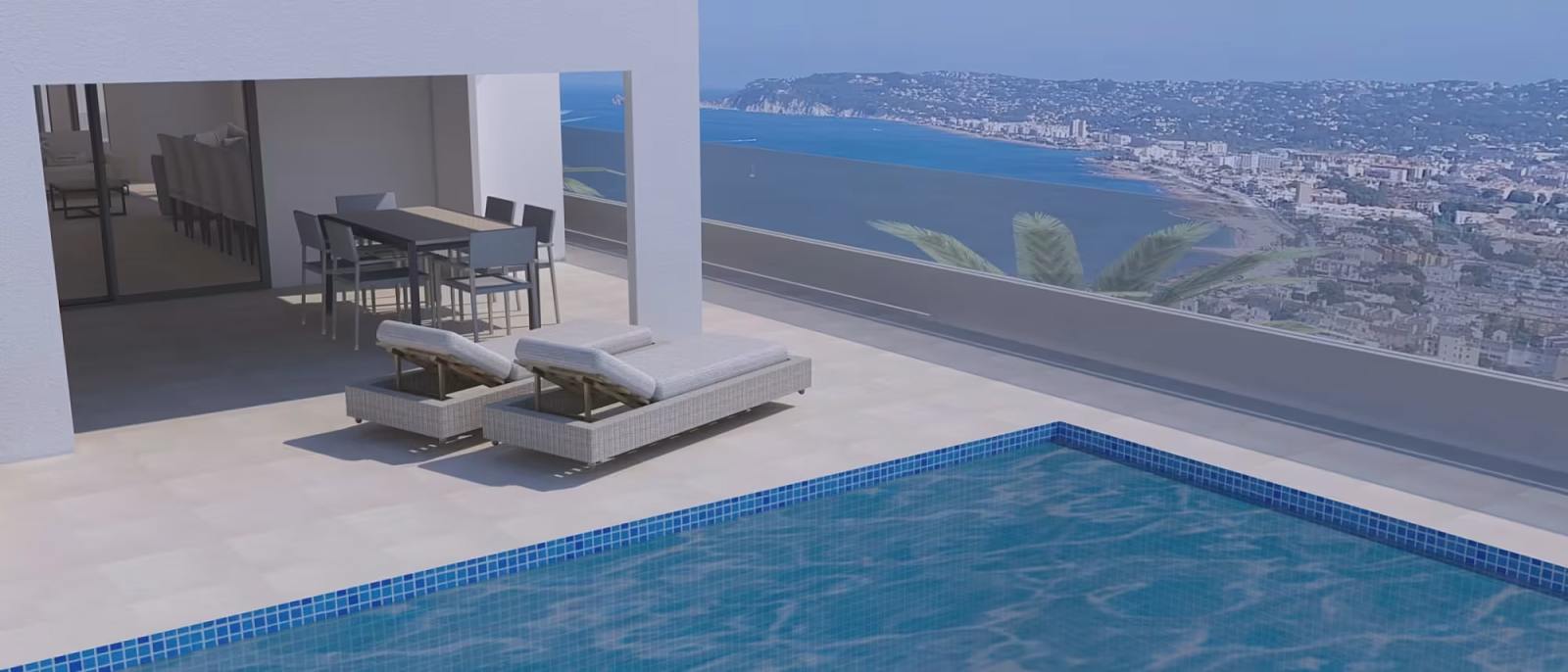
La Corona sits above Jávea's coastline on a south-facing slope with direct views to the Mediterranean. Properties in this part of town change hands rarely. When one does appear, it tends to sell fast. Here's what makes this location so hard to find.
La Corona is a low-density residential area between Jávea's port district and Cap de la Nao. No apartment blocks, no commercial zones. Just villas on generous plots, most built between the 1990s and early 2000s.
The reason you almost never see listings here is straightforward: people who buy in La Corona tend to stay. Most owners are northern Europeans (British, Scandinavian, German, Dutch) who chose this area for the views and the quiet. They're not flipping properties or chasing rental returns. They live here, or use the villa as a long-term second home, and they don't let go easily.
When a property does come up, it's usually tied to a change in personal circumstances. That kind of low turnover tells you something about an area. If the people who know it best aren't leaving, the location is doing its job.
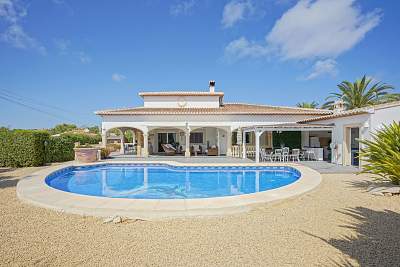
This villa is currently listed and available for viewings. See the full details on our property page, or watch the walkthrough above for the layout and setting. If you're planning a visit, our viewing trip guide covers how to get the most from your time on the ground.
What the Views Look Like

If you've spent time browsing listings in Jávea, you'll notice that many properties advertise 'sea views' that turn out to be a sliver of blue between buildings. La Corona is different. The orientation and elevation mean unobstructed, wide-angle views from the main living areas and terraces.
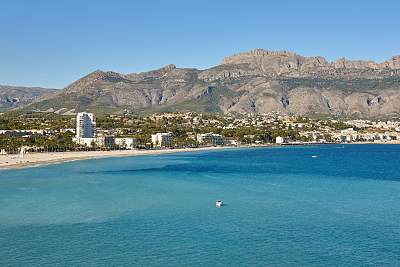
From up here, you look south-east across the Mediterranean. On a clear day (and most days here are clear), you can see the coastline from the Arenal beach round to the Cap de la Nao headland, with the small island of Portichol in the foreground.
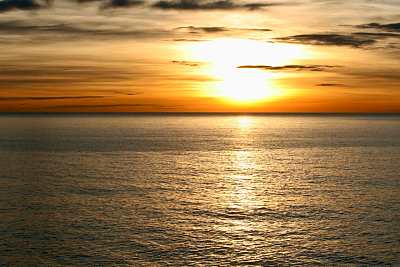
The views change with the light. Morning sun catches the water from behind the cape. Evenings, the coastline turns gold. You'll eat dinner on the terrace more nights than you eat indoors, April through October.
For lifestyle buyers, this matters more than floor plans or bedroom count. A villa in Jávea's town centre might cost less, but it won't give you this. The view is what turns a house into a place you actually want to be, year after year. And La Corona's topography makes it impossible to replicate: the hillside only accommodates a limited number of plots with this orientation, and they were built on decades ago. You can't build more La Corona. For anyone comparing areas across Jávea or the wider Costa Blanca, our guide to choosing property is a good starting point.
Jávea at Your Doorstep
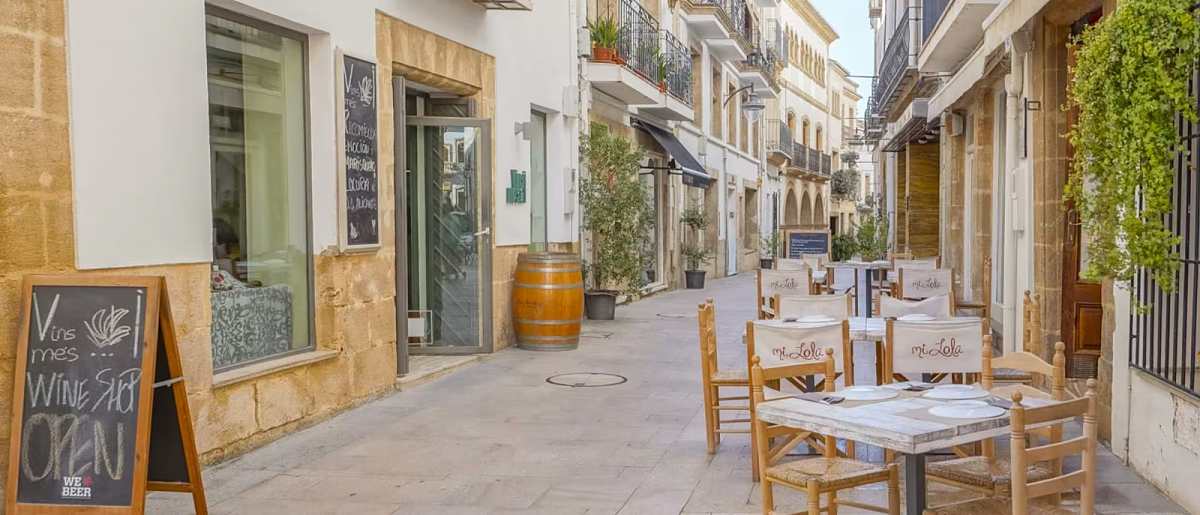
Jávea is one of the few Costa Blanca towns that works year-round. The old town has a proper Saturday market, bakeries, butchers and hardware shops. This is a working town, not a resort. The port area has a cluster of seafood restaurants where locals eat alongside visitors. The Arenal, Jávea's main sandy beach, stays lively in summer without the overcrowding you get further south.
Living in La Corona puts you a short drive from all of this, without sitting in the middle of it. The nearest beach is La Grava at the port, about 2 km down the hill. The Arenal is around 5 km. The old town, with its weekly market and everyday shops, is about 4 km in the other direction. Cove beaches like Cala Blanca and Portixol are a bit farther along the coast, but still under 15 minutes by car.
There's an established international community, particularly British, Scandinavian and German residents. English-speaking doctors, dentists and lawyers are easy to find. Social groups and regular events make settling in straightforward. For more on daily life as a property owner, see our lifestyle in Spain guide.
Alicante airport is about 95 km south, roughly an hour and ten minutes on the AP-7. Direct flights run year-round to London, Oslo, Stockholm, Amsterdam and Frankfurt.
Beaches and Coves
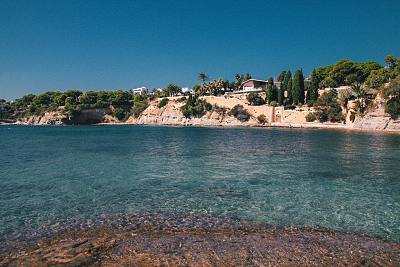
La Grava port beach is about 2 km away. The Arenal, a 500-metre sandy beach with restaurants and water sports, is around 5 km. Cove beaches like Cala Blanca and Portixol are 7-10 km along the coast.
Old Town Character
Jávea's old town has a weekly market, traditional shops, cafés and a 14th-century church. Daily errands, a good coffee, or a quiet lunch are all within a 10-minute drive.
International Community
A long-established expat population means English-speaking services, social groups, sports clubs and charity events. You won't feel isolated here, even in your first year.
Airport Access
Alicante airport is about 95 km south, roughly an hour and ten minutes by car. Year-round flights to the UK, Scandinavia, Germany, the Netherlands and France make weekend visits or family trips practical.
How Much Does It Actually Cost?
The listed price is €3,200,000. That's what you'll agree with the seller. But in Spain, the purchase price is only part of what you'll pay. Taxes, notary fees, legal costs and registry charges add roughly 11% on top.
Jávea sits in the Comunidad Valenciana, where the transfer tax (ITP) on resale properties is 10%. That's the biggest single cost after the property itself. Here's the full breakdown:
That's €360,820 in taxes and fees on top of the asking price. At this price point, the transfer tax alone accounts for most of it. Notary and registry fees are capped by government scales and barely move whether you're buying at €500,000 or €3,000,000.
If you're financing part of the purchase with a Spanish mortgage, expect additional costs: a property valuation (tasación, around €400-600), and the bank's arrangement fee (typically 0.5-1% of the loan). Non-residents can usually borrow up to 60-70% of the valuation.
Run the numbers for your own scenario with our buying costs calculator, or read the full breakdown in our costs and taxes guide.
Rental Income Potential
Nobody buys a €3.2M villa in La Corona for the rental yield. At this price point, gross returns run around 1.5-2%, well below what you'd get from an apartment in Dénia or Calpe. But that misses the point. Most owners here rent their villa during the weeks they're not using it, and the income comfortably covers every annual running cost.
A 5-bedroom villa with a pool, sea views and 200 m² of terrace rents well in Jávea. Peak season (July-August) commands €600-1,000 per night for properties at this level. Shoulder months (June, September, October) drop to €350-600. Renting peak and shoulder seasons — roughly 90 booked nights — puts gross income somewhere around €50,000-70,000 a year.
After expenses (property management at 18-20%, platform fees around 12%, cleaning, maintenance, insurance and income tax), expect to keep about 50-55% of gross. That's roughly €25,000-38,000 net.
Annual running costs for a villa like this typically land between €12,000-18,000: IBI property tax, home insurance, utilities, pool upkeep, garden maintenance and any community fees. The rental income from 10-14 weeks covers all of that, and usually leaves a surplus.
The maths won't excite a yield-focused investor. But for someone buying a home they'll use four or five months a year, having it pay its own way the rest of the time is a reasonable outcome. Run your own estimate with our rental income calculator, or see our rental income guide for the full picture.
Similar Villas for Sale in Jávea
Interested?
See This Property in Detail
View the full listing with photos and pricing, or get in touch to book a personal viewing in Jávea.
View Property Listing